In today’s academic environment, students are expected to do more than ever before. Between maintaining good grades, participating in extracurricular activities, and preparing for the future, many students find themselves overwhelmed.
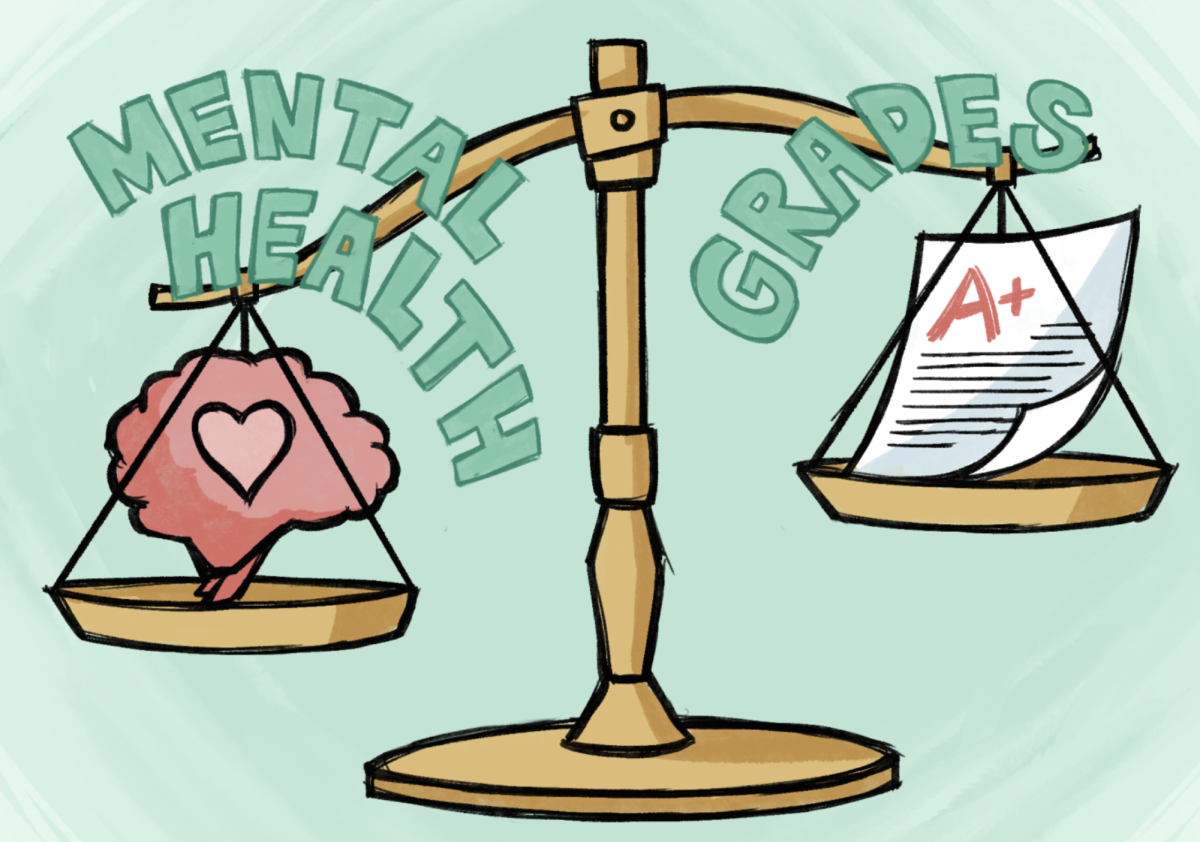
While schools emphasize achievement, the conversation around students’ mental health has also become highly important. The challenge of balancing school responsibilities with one’s mental well being is one that many students face daily.
Over the years, academic expectations have steadily increased. Students are often assigned heavy workloads, frequent exams, and long term projects, all while being encouraged to build strong resumes for college or future careers. This pressure can come not only from schools but also from family expectations and social comparisons. As a result, students may feel that their worth is tied to their academic performance, creating constant stress.
And when academic pressure becomes overwhelming, it can negatively affect mental health. Many students report feeling anxious, exhausted, or burned out. Sleep deprivation is also common, as students stay up late to complete assignments or study. Over time, this can lead to difficulty concentrating, lack of motivation, and a decrease in overall happiness. In some cases, students may feel stuck in a cycle where stress makes it harder to succeed, which then creates even more stress.
One of the biggest challenges students face is time. A typical day may include school, homework, extracurricular activities, and personal responsibilities, leaving little room for rest. Even when students recognize the need for a break, they may feel guilty taking one due to the pressure to stay productive. This imbalance can make it difficult for students to prioritize their mental health without feeling like they are falling behind.
Addressing this issue requires effort from both schools and students. Many schools have begun offering mental health resources such as counseling services and wellness programs. Some educators are also reconsidering workload and deadlines to reduce unnecessary stress. On an individual level, students can benefit from developing time management skills, setting realistic goals, and learning to recognize when they need a break. Creating a support system of friends, family, or trusted adults can also help students cope with challenges.
Balancing school and mental health is not a simple task, but it is essential for long term success and well being. Academic achievement should not come at the cost of a student’s mental health. By acknowledging the pressures students face and encouraging healthier habits, it is possible to create an environment where students can thrive both academically and emotionally.