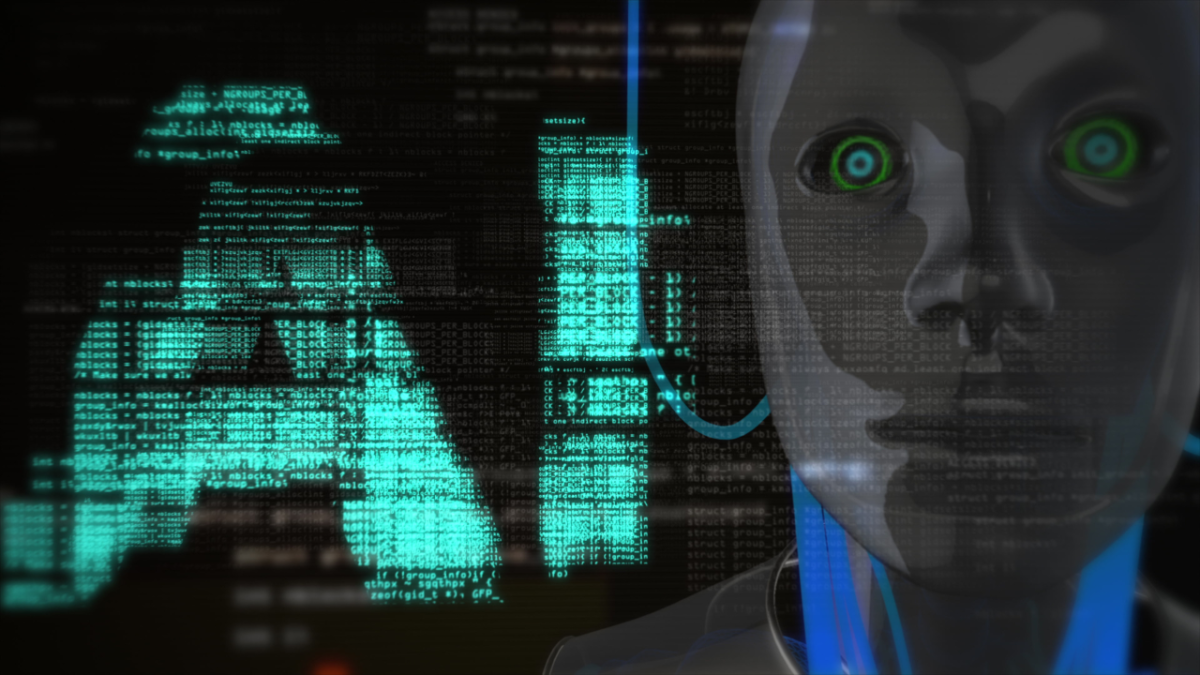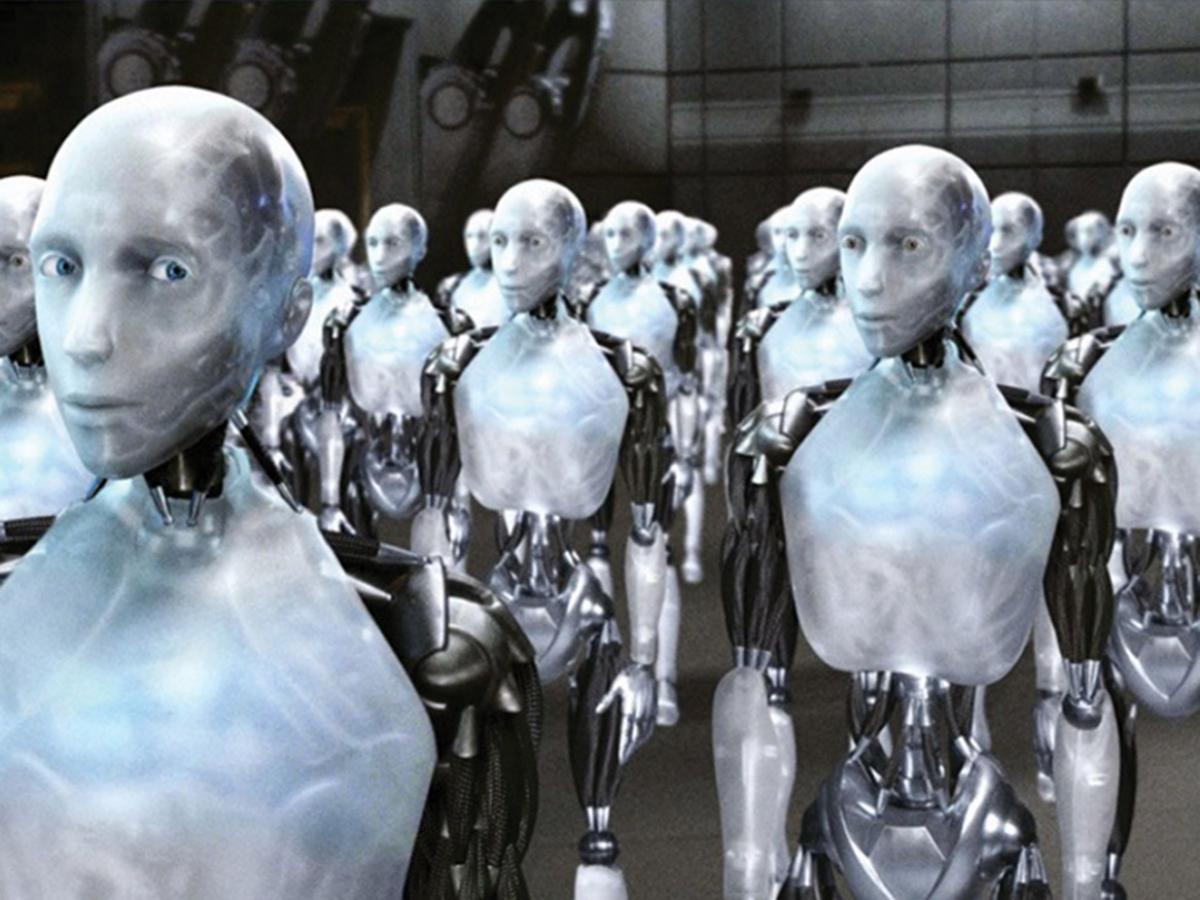
What if the smartest student in the room isn’t even human? Artificial intelligence or AI is no longer in science fiction – it’s in our classroom, our phones, and helps us generate ideas. But as AI becomes more powerful, the real question isn’t what it can do, but how we should use it?
Using AI responsibly means understanding that it’s a tool, not a replacement for human thinking. Experts from Harvard emphasize principles like fairness, transparency, accountability, privacy, and security. In simple terms, that means AI should treat people fairly, protect personal information, and always have humans overseeing decisions. Without these safeguards, AI can reinforce bias or spread misinformation. Responsibility ensures that innovation doesn’t come at the cost of ethics.
In schools, reflective use of AI is key. Teachers encourage students to question AI generated responses, fact check information, and use the technology to brainstorm rather than copy. AI can spark ideas, organize thoughts, and explain complex topics, but it shouldn’t replace the learning process. The goal is to use AI to think critically, not to avoid thinking at all.
At the same time, there’s growing concern about how AI affects creativity. While AI can generate ideas quickly, studies suggest that when everyone relies on the same tools and prompts, ideas can start to sound similar. Creativity thrives on unique perspectives and personal experiences – things machines will never have. If we depend too heavily on AI, we risk losing the originality that makes our work stand out.
AI isn’t the enemy of creativity, but it can become one if we let it do all the imagining for us.