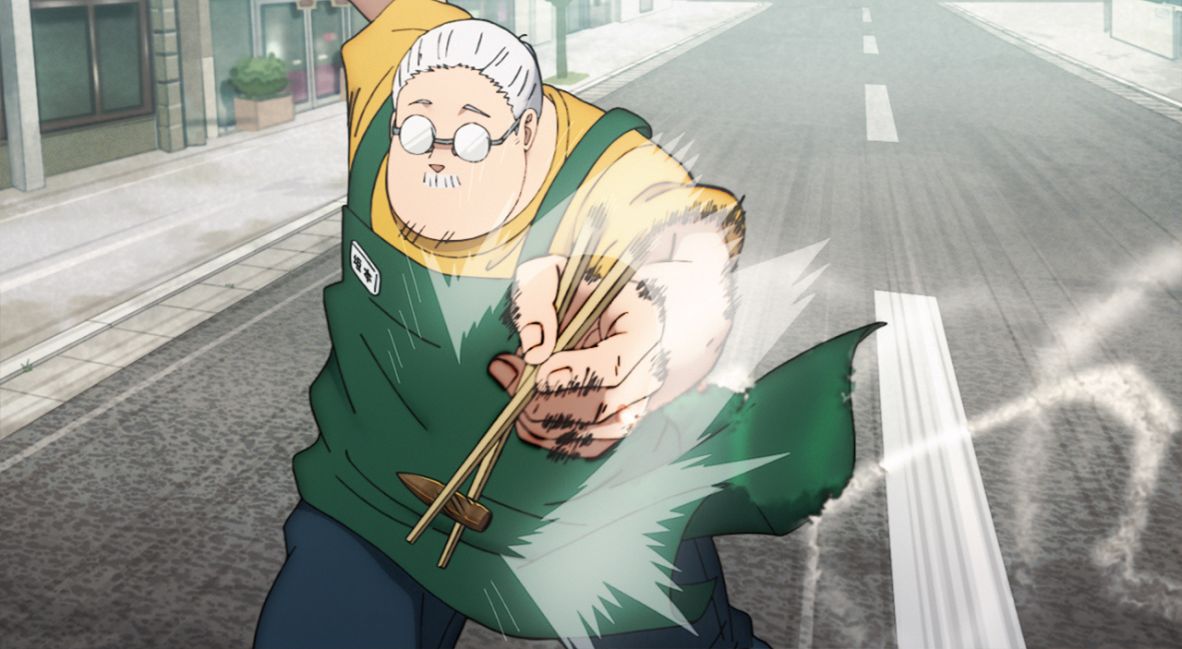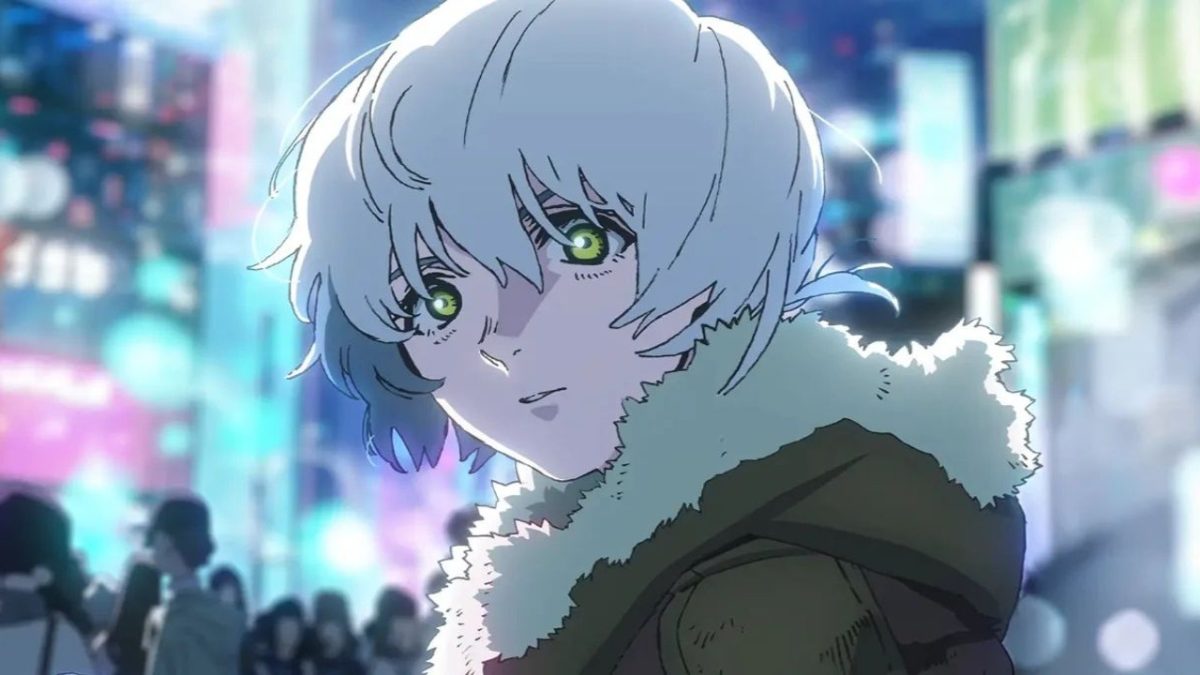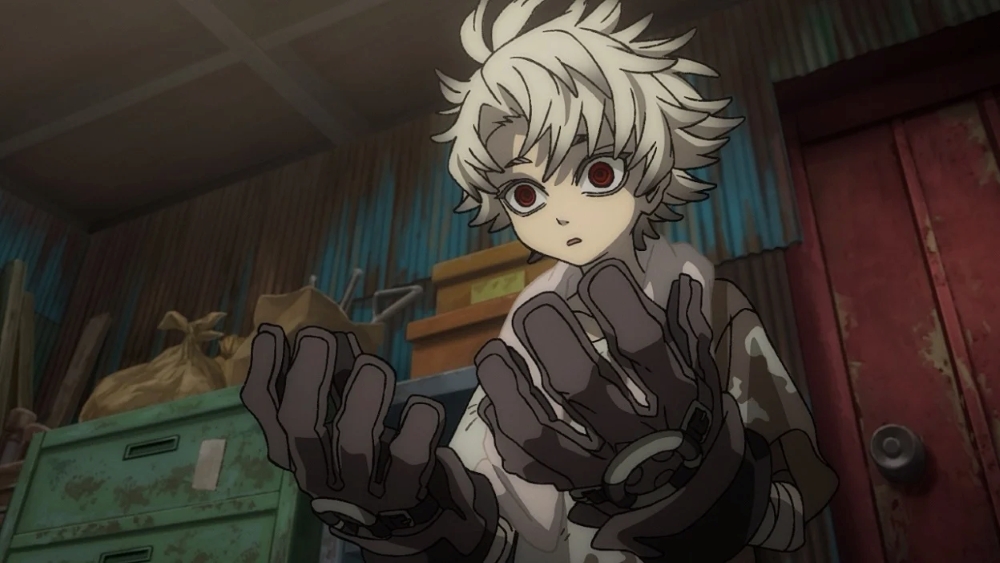
The latest shonen series to produce waves of headlines throughout the Internet, Gachiakuta, blends everything that makes a shonen operate smoothly, along with a unique twist. From the enticing combat dynamically synergizing with the stylistic direction, heavily influenced by grungy street art to the emotionally investable flashbacks of characters, this gritty show evokes a rebellious interpretation of several social commentaries. Established within a dystopian take of society, in which the elite class exiles anyone categorizes those unfit for civilization into the abyssal wasteland known as the “Pit”, the audience is presented with bullied outcast, Rudo, (an adolescent boy), accompanied by a fascination of collecting trash who is falsely framed for muder. Upon plummeting onto the garbage hardened flooring, the existence of fiends made entirely out of that same waste becomes clear. This discovery enkindles him to join a group of survivors, labeled as the “Cleaners,” to preserve sanctuaries, by means of confronting the trash beasts, though that’s only half of the narrative.
In truth, what gradually emerges is a social commentary on hyper-consumerism as well as social injustice. The latter aspect is self-explanatory in Gudo’s background; a hyperbolic take where the status and one’s descendents determine one’s worth in society, even so, the surrounding community around Gudo face this exact inequity. A factor that I failed to apprise in terms of lore, is that humanity recesses in a highly stratified local tagged as “The Sphere,” segregating people into two factions, the “slums” and the wealthy elite. The privileged invariably consume products, all while those in the slums survive off their scraps, hence the sphere symbolizing a critique on hyper-consumerism. Once again, if an action show rich with modern social commentaries arouses your curiosity, Gachiakuta is able to be found on the streaming service, Crunchyroll.