With the fleeting advancement of technology and Artificial Intelligence, it’s not such a far reach to prognosticate a destiny where the manifestation of androids materializes in reality. As a matter of a fact, this is already a phenomenon, though it’s to the point of uncanny human likeness. So supposing these androids were indistinguishable from people, what would be the consensus among the human race? For sure the concept of prejudice against androids would inevitably be mainstream within society, if it’s not already. Several pieces of fiction have already offered glimpses into this very arbitrary future. Time of Eve is one of those cases, divulging into this very possible dilemma, but unlike most, it’s done in a comforting, slow-burn almost nostalgic like method of storytelling, while concurrently expressing contemplative emotional and moral undercurrents.
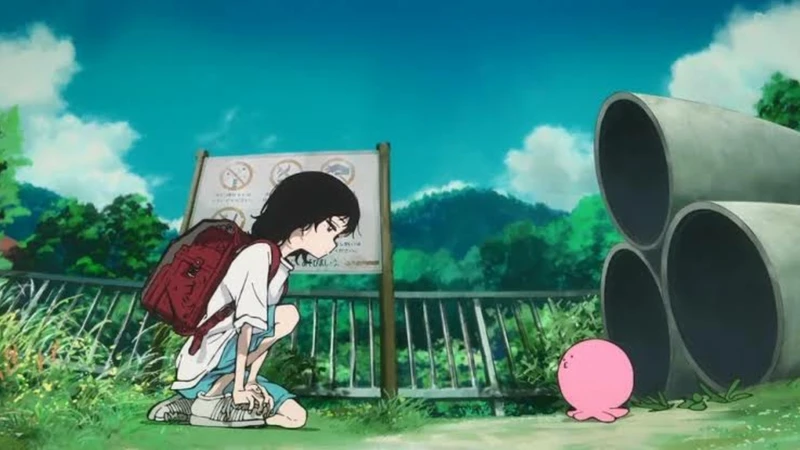
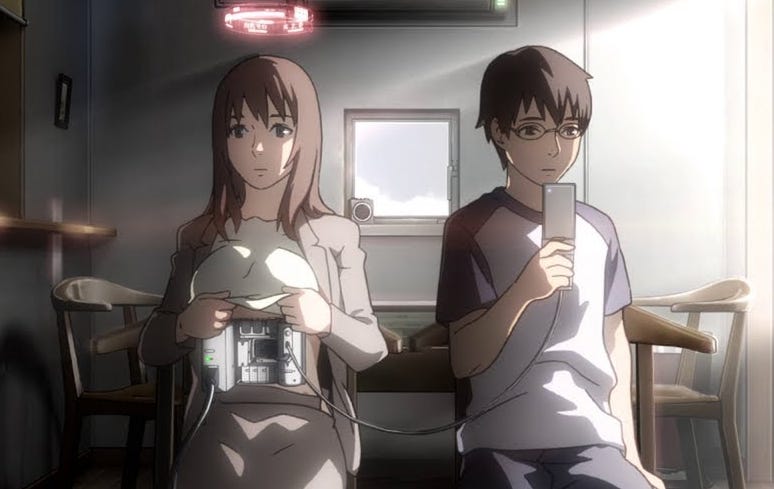
Originally a six-episode ONA (Original Net Animation); then turned into a theatrical release–the overarching plot follows the emergence of independence exhibited within androids, in a society where humans mandate over automatons. Amongst these relationships, are between main character Rikuo Sakisaka, and his home android Sammy, which he’s been noting her disappearances. Out of fascination he one day traces her location, uncovering the presence of an abnormal cafe, “The Time of Eve”, with a singular rule set in place: no discrimination between humans and androids. Throughout the extent of the show, the deliberate slow pace allows for audience engagement, via theoretical contemplations about the boundaries of humanity and AI. In meantime the characters’ inner turmoil simmer with viewers, granting relatable emotional resonation. It’s a great watch, for fans of Sci-Fi and animation, which can only be found on Crunchyroll, Tubi, as well as Apple Tv.